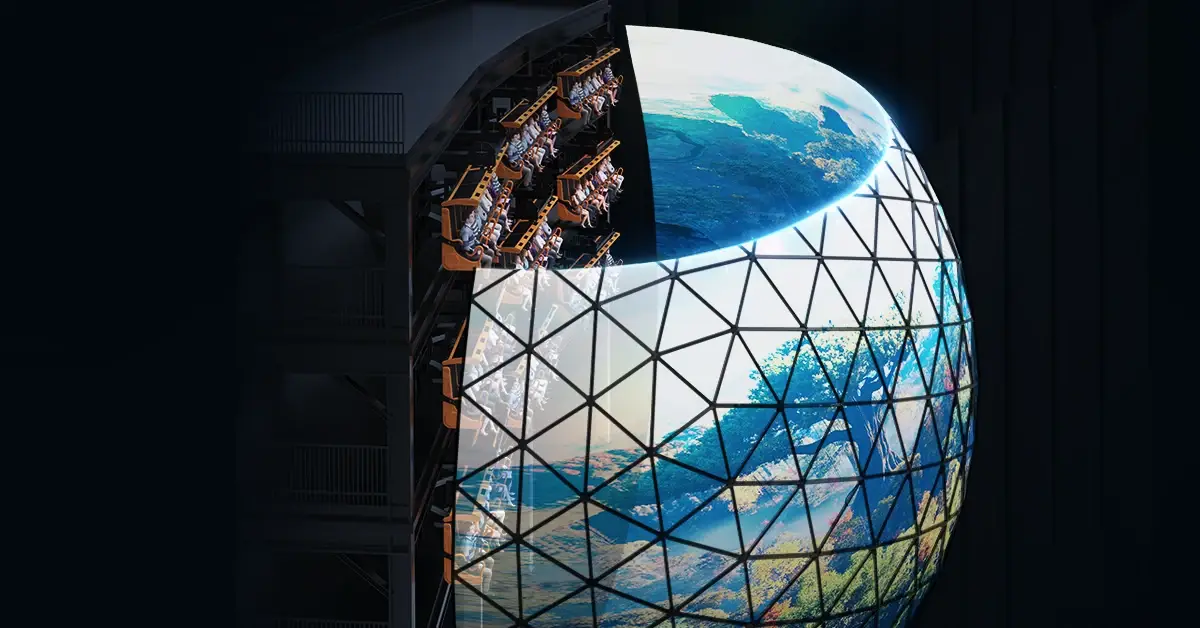
Choosing a Dome Flying Cinema isn’t as simple as finding the lowest price tag.
Different manufacturers offer vastly different equipment configurations, safety protocols, and long-term service models. To protect your capital investment and ensure long-term profitability, evaluate the complete system against these 7 critical benchmarks before signing a contract.
The Ultimate Buyer Checklist: 7 Things to Evaluate
1. Motion System & Hydraulic/Electric Actuators
The motion platform drives the physical immersion. When evaluating motion hardware, verify:
- Degrees of Freedom (DOF): Pitch, roll, heave, and speed precision.
- Synchronization: How tightly platform motion tracks with the visual frame rate.
- Safety Restraints & Sensors: Mechanical locks, seatbelt sensors, and emergency stop systems.
Pro Tip: Rough or poorly calibrated motion causes motion sickness rather than immersion. Always demand a physical ride test or high-precision calibration metrics.
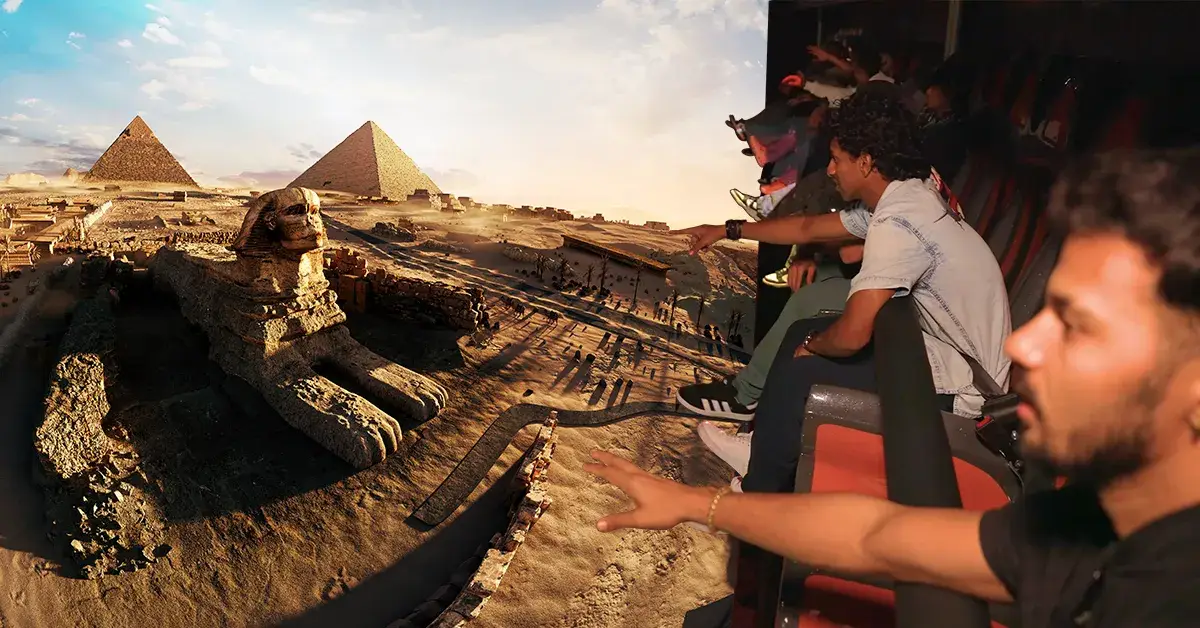
2. Display & Projection Quality
A large curved surface exposes every optical flaw if the visual engine isn’t configured correctly.
- Resolution & Brightness: Ensure high lumens suitable for your dome size.
- Edge Blending & Warping: Software must seamlessly blend multi-projector feeds into a single, borderless image.
- Color Uniformity: Check for consistent white balance across all screen zones.
3. Content Library & Future Updates
World-class hardware is useless without engaging content.
- How many fully licensed, high-resolution films are included in the initial purchase?
- What are the licensing terms, fees, and procedures for adding new films every 6–12 months to drive repeat visitors?
4. 4D Environmental Special Effects
Environmental effects elevate a simple movie into a true sensory attraction. Ensure your system integrates:
- Core Effects: Wind gusts, water mist, scent generators, leg sweep, and seat vibration.
- Timing Precision: Effects must be frame-accurate—mist delivered two seconds late ruins the scene’s impact.
5. Equipment Safety & Certifications
Safety compliance directly impacts your venue licensing, insurance rates, and liability.
- Confirm international safety standards (CE, ISO, or local amusement ride safety regulations).
- Ask about fail-safe mechanisms during power outages or sudden system faults.
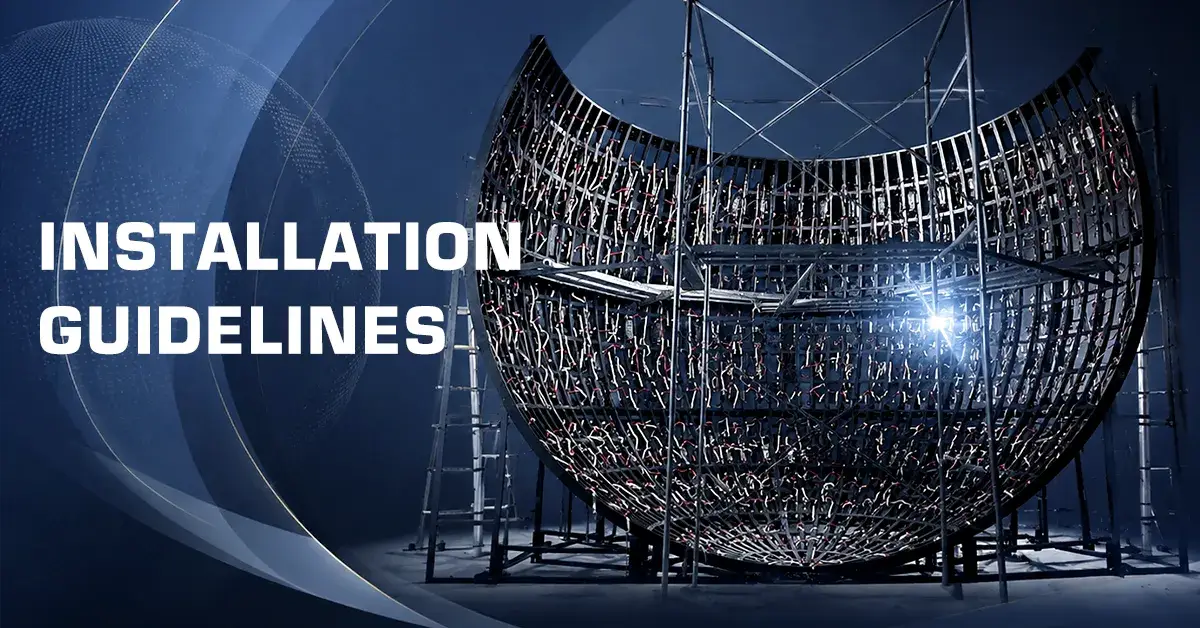
6. Installation, Training & After-Sales Support
Your relationship with the manufacturer begins after the sale. Verify if the vendor provides:
- On-site engineering, installation, and system commissioning.
- Comprehensive operator and maintenance staff training.
- Guaranteed response times for remote technical support and local spare parts availability.
7. Total Cost of Ownership (TCO)
Do not fall into the low-upfront-price trap. Calculate total operational costs over a 3-to-5-year horizon:
$$\text{Total Cost of Ownership} = \text{Initial Hardware Price} + \text{Maintenance \& Parts} + \text{Power Consumption} + \text{Content Updates}$$
Summary Checklist for Buyers
Before choosing a manufacturer, benchmark every proposal against this 7-point balance:
$$\text{Optimal Investment} = \text{Experience} + \text{Technology} + \text{Safety} + \text{Reliability} + \text{Content} + \text{Service} + \text{Low TCO}$$
A great Dome Flying Cinema shouldn’t just deliver a thrilling experience on launch day—it must operate reliably and remain profitable for years to come.
Planning Your Dome Flying Cinema Project?
Don’t navigate equipment specifications alone. Dome Flying Cinema provides complete technical evaluations, custom hardware configurations, and turn-key solutions tailored to your venue’s footprint and budget.