The location-based entertainment landscape in 2026 is shifting fast. Modern audiences demand high-immersion, shared sensory experiences over passive viewing—making the Dome Flying Cinema one of the fastest-growing attraction categories for theme parks, tourist destinations, shopping centers, and Family Entertainment Centers (FECs).
If you are evaluating location-based entertainment investments this year, here is a breakdown of what a Dome Flying Cinema actually is, why operators are adopting it, and what you need to consider before investing.
What Is a Dome Flying Cinema?
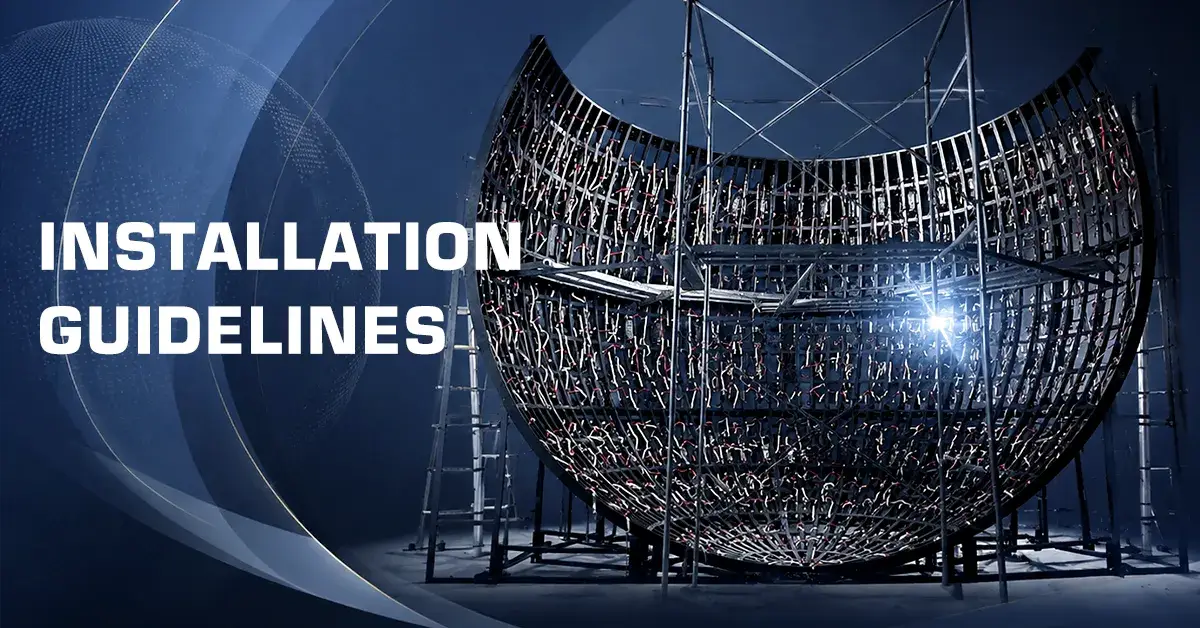
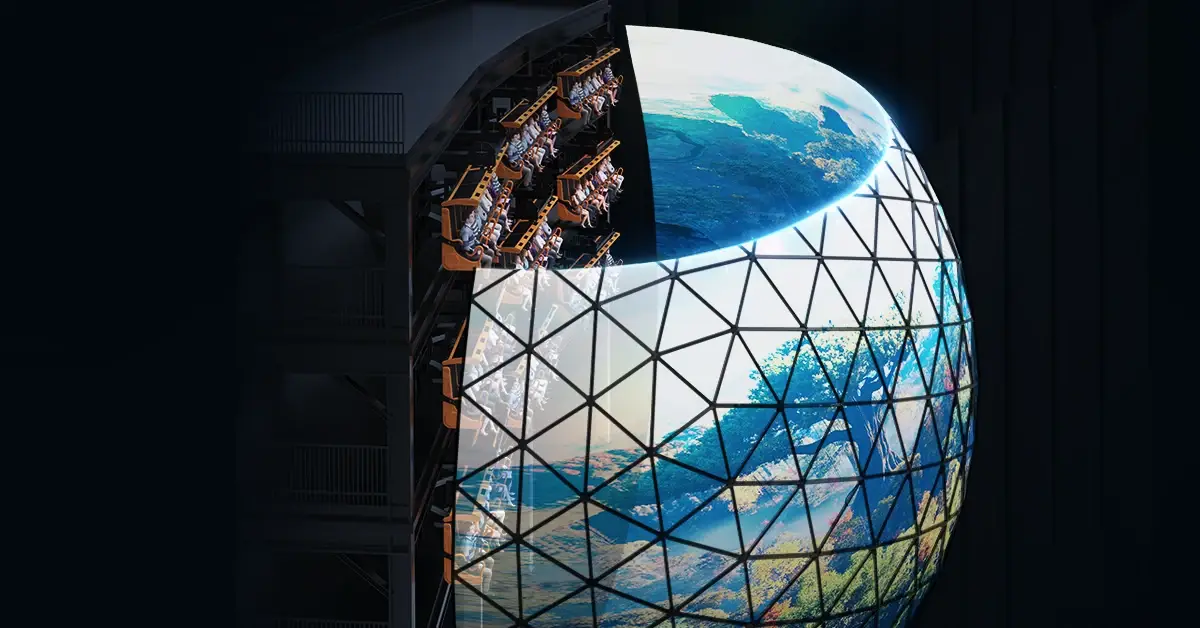
A Dome Flying Cinema (or Flying Theater) is a multi-sensory simulator ride designed to simulate true flight. Unlike traditional 3D/4D theaters with flat screens, guests sit on an elevated motion platform facing a massive curved, hemispherical dome screen. With feet dangling in mid-air, riders are enveloped by visuals that extend beyond their peripheral vision.
Core Technology Stack:
- Curved Dome Screen: Micro-perforated aluminum or seamless optical fabric creating 180° to 270° panoramic visual coverage.
- Dynamic Motion Platform: Multi-degree-of-freedom (DOF) electrical or hydraulic actuators synchronized frame-by-frame with on-screen movement.
- Multi-Sensory 4D Effects: Integrated wind generators, water mist, subtle scents, and seat vibrations to simulate altitude, speed, and climate.
- Spatial Audio: Multi-channel surround sound built into seats or structural arrays for precise environmental audio direction.
Why Are Investors & Operators Choosing It in 2026?
$$\text{Commercial Appeal} = \text{High Footprint Efficiency} + \text{Modular Content} + \text{Strong Throughput}$$
1. High Revenue Density (Small Footprint)
Unlike traditional roller coasters or expansive dark rides that require thousands of square meters, a compact Dome Flying Cinema delivers a high-impact flagship experience in a remarkably small footprint. This makes it ideal for urban shopping malls, indoor parks, and space-constrained tourist sites.
2. Rapid Content Modularity (Repeat Visitation)
A major risk with physical rides is thematic obsolescence. A Dome Flying Cinema solves this through digital flexibility. Operators can swap or upgrade film software seasonally (e.g., sci-fi adventures in summer, holiday themes in winter) to continuously drive repeat local visitors without replacing hardware.
3. Broad Audience Accessibility
With low height-restriction barriers and smooth motion profiles, flying theaters appeal to a broad demographic—from families with young children to teenagers and older tourists.
Market Trend: In 2026, theme park developers are prioritizing shared, group-based immersion over individual VR headsets. Dome Flying Cinemas deliver high-thrill immersion without isolating visitors behind personal gear.
What Should Investors Evaluate Before Purchasing?
A successful launch requires looking beyond the initial machine sticker price:
- Location Footfall & Ticket Elasticity: Align capacity with daily peak visitor flow.
- Venue Architectural Clearances: Verify ceiling height and dynamic load limits before signing leases.
- Film Library Access: Ensure your supplier provides licensed content and a long-term content update pipeline.
- Total Cost of Ownership (TCO): Budget for maintenance, power consumption, insurance, and local staffing.
Key Takeaway for Buyers
A Dome Flying Cinema isn’t just an equipment purchase—it is a turnkey commercial project.
The long-term viability of your attraction relies on finding the optimal balance between venue location, equipment reliability, film library freshness, and ongoing manufacturer support.
Ready to Evaluate a Flying Cinema Project?
Planning a venue launch or upgrade? Dome Flying Cinema provides full-scope feasibility evaluations, custom hardware configurations, and content licensing plans tailored to your property footprint.